Data Collection
Collect a large dataset of images or videos of the target person. The quality and variety of this data directly impact the realism of the output. Multiple angles, expressions, and lighting conditions are ideal to enhance the learning process of the AI model.

Training the AI Model
Deep Learning Algorithms: Utilize a type of deep learning algorithm known as a Generative Adversarial Network (GAN). The GAN consists of two main parts: the generator and the discriminator.
Generator: This part of the GAN generates new data instances (e.g., video frames with swapped faces).
Discriminator: This component of the GAN evaluates the authenticity of the generated images, determining whether they are real (from the original dataset) or fake (created by the generator). The discriminator’s feedback helps improve the generator’s accuracy over time.
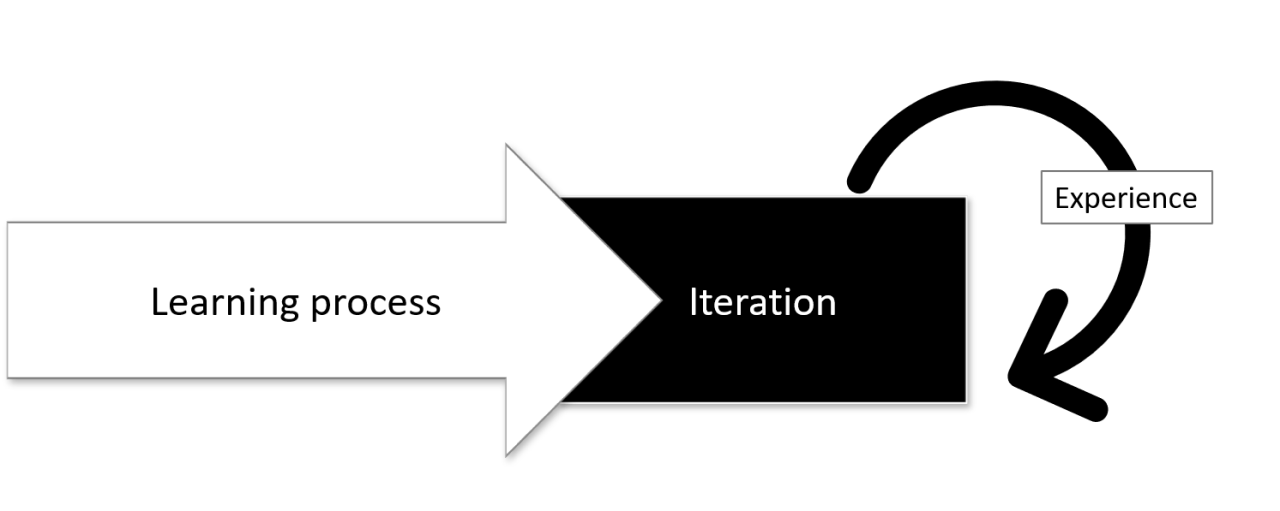
Model Iteration
Iterative Training: The generator and discriminator work in a feedback loop where the generator continuously learns to produce more realistic images, and the discriminator learns to better distinguish between real and fake images. This iterative process continues until the generator produces results that the discriminator can no longer reliably classify as fake.
Face Swapping
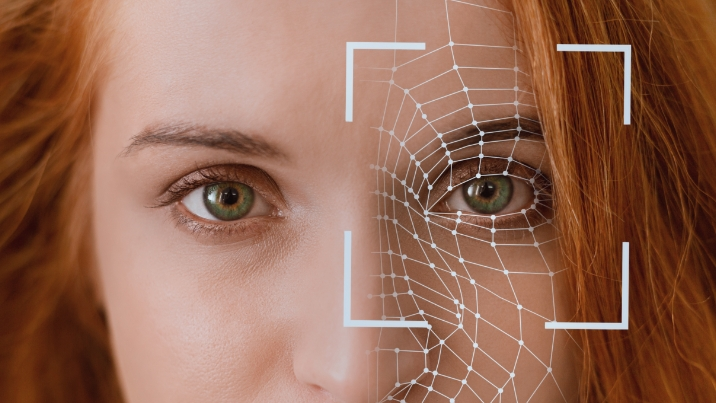
Facial Mapping and Replacement: Use facial recognition technologies to map the facial features of both the source (the person to be deepfaked) and the target (the person whose face will be replaced). The algorithm adjusts the source’s facial expressions and orientation to match the target’s movements and expressions as seen in the input video.
Post-Processing
Refinement: Apply video editing techniques to smooth out any visible seams where the face has been replaced, adjust lighting and color consistency, and refine audio syncing if necessary.
Review and Adjustment: Manually review the generated video for any inconsistencies or errors that could disrupt the illusion of reality. Make necessary adjustments to enhance believability.
Distribution
Sharing and Spreading: Once the deepfake is convincingly realistic, it can be shared across various platforms, often through social media, where it can rapidly reach a wide audience due to the viral nature of compelling content.