Learn to Detect Deepfakes

Understanding the signs of deepfakes can help you identify manipulated media. In this section, we explore common visual artifacts and anomalies that indicate the presence of deepfake technology. By recognizing these telltale signs, you can better discern authentic content from fabricated media, safeguarding yourself against deceptive information. Use the following steps and examples to enhance your ability to detect deepfakes.

  1. Examine Facial Movements and Expressions: Pay attention to unnatural blinking, inconsistent lip-syncing, or unusual facial expressions, as deepfake algorithms often struggle to replicate these subtleties.
  2. Look for Irregular Lighting and Shadows: Check for mismatched lighting or unnatural shadow placement on the subject's face, as these can indicate manipulated footage.
  3. Observe the Background for Artifacts: Focus on inconsistencies or distortions in the background that might occur due to improper blending with the deepfaked subject.
  4. Analyze Eye Movements and Gaze Direction: Deepfakes often fail to reproduce realistic eye movements or properly align the gaze direction with the rest of the scene.
  5. Inspect Skin Texture and Details: Zoom in to check for overly smooth skin, missing pores, or inconsistent facial details, as these can be signs of AI-generated content.

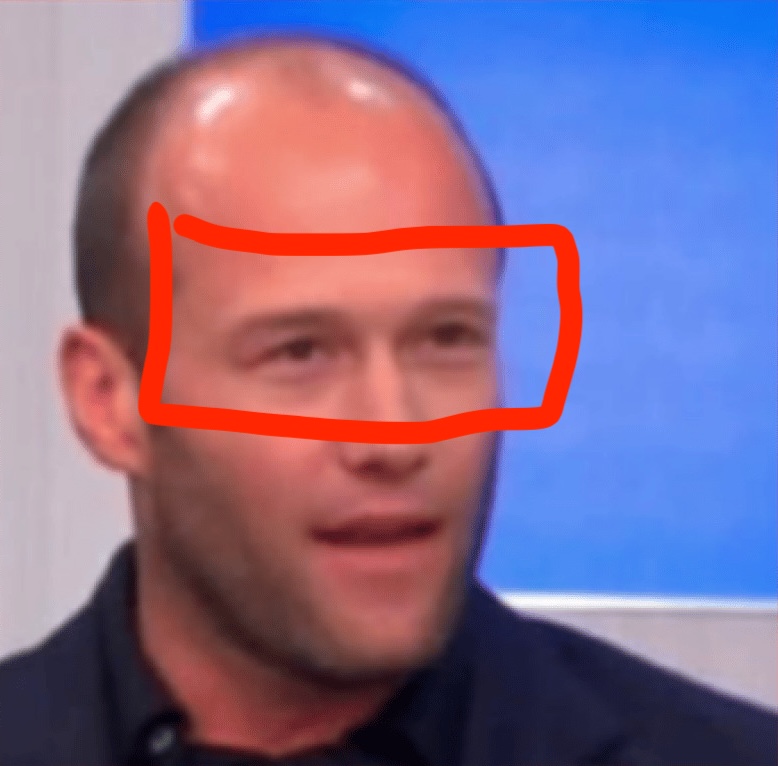
Example Image https://bombbomb.com/9-tips-to-identify-deepfake-videos/

In deepfakes, lighting and shadows may not align properly across the face or the environment. This can manifest as mismatched lighting angles or shadow directions that do not logically correspond to light sources in the scene.
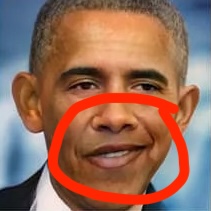
Example Image https://www.unite.ai/disentanglement-is-the-next-deepfake-revolution/

Deepfakes often struggle to accurately reproduce natural human expressions or movements. This might result in facial features that appear stiff, distorted, or that move unnaturally. The transitions between different facial expressions can also appear jumpy or poorly timed with spoken words.
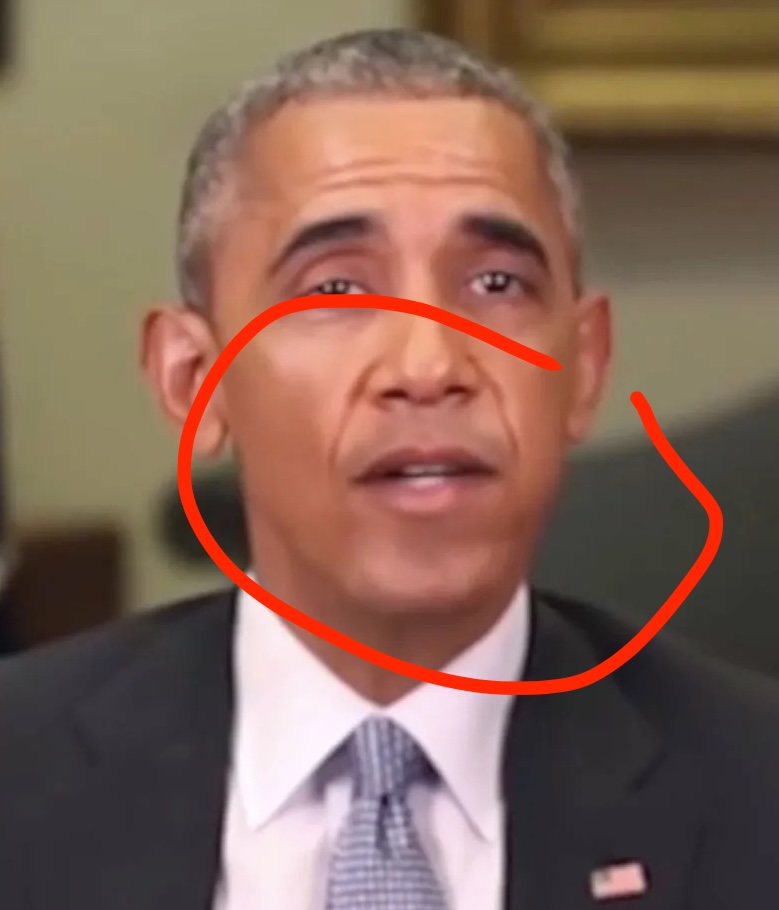
Example Image https://www.unite.ai/disentanglement-is-the-next-deepfake-revolution/

In video deepfakes, watch for discrepancies between the movement of a person’s lips and the spoken words. This is often one of the most noticeable signs, as the AI may not perfectly align phonemes (sounds) with the visual movement of the mouth.
Example Image https://appinventiv.com/blog/blockchain-solution-to-deepfake-issue/

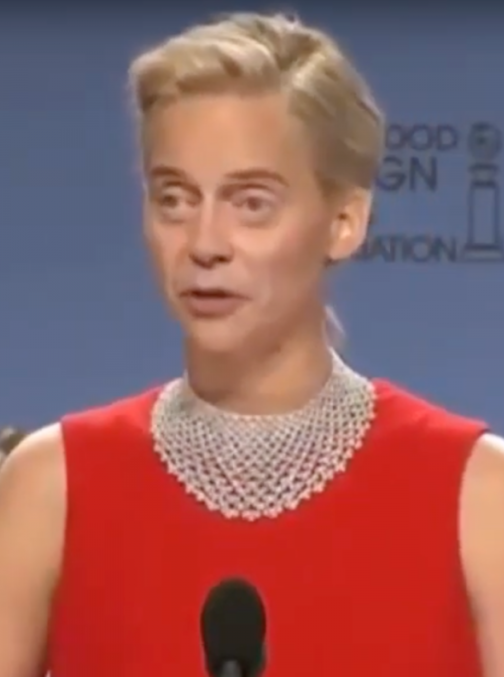
Pay attention to areas where the face meets the neck or the hairline. These regions can appear blurry or smeared in deepfakes. This blurring is often a result of the AI struggling to blend the fake face seamlessly with the rest of the body or the original video frame.

Example Image https://bombbomb.com/9-tips-to-identify-deepfake-videos/

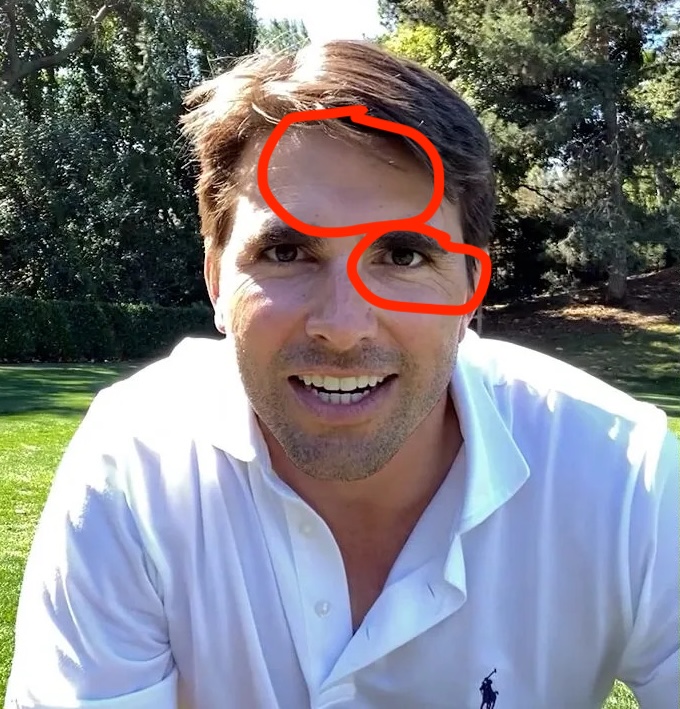
Deepfakes may exhibit fluctuations in skin texture. One part of the face might show detailed pores and wrinkles, while another part might look unnaturally smooth. This inconsistency can occur as the AI attempts to generate facial features and might not maintain a uniform level of detail.

Example Image https://bombbomb.com/9-tips-to-identify-deepfake-videos/

In many deepfakes, the eye movements of the subject can be a giveaway. Natural human eye movement is generally smooth and coordinated. Deepfakes often fail to replicate this, resulting in eyes that may not blink synchronously or may exhibit unnatural saccades (quick, simultaneous movements of both eyes in the same direction). Sometimes, the eyes might not appear to focus or track objects in the scene appropriately.